
Chapter 01
How we use AI to write Story summaries.
See what the model reads, the rules it follows, and why every summary remains a starting point rather than a verdict.
Read this chapterThis is the plain-English guide to how Mosaic works. Each chapter explores how different parts and processes of how our app works for transparency and accountability
1 / 8
Chapter 01
How we use AI to write Story summaries.
See what the model reads, the rules it follows, and why every summary remains a starting point rather than a verdict.
Read this chapter
✦ Summary updated June 25, 2026
Summary
The Trump administration requested $87.6 billion in supplemental funding from Congress on Wednesday, with $67 billion designated for the Department of Defense to cover costs from the Iran war (Operation Epic Fury). The request includes $21 billion for munitions, $17.3 billion for operational costs, and $12.1 billion for classified programs. The package also allocates $11.1 billion for U.S. farmers and $1.4 billion for Ebola response in Africa. The funding request came one day after Congress passed a war powers resolution to limit Trump's military authority against Iran. Democratic lawmakers signaled opposition, with Senator Patty Murray calling it a “disastrous war of choice,” while Republican support remained mixed.
✦ This summary is AI-generated and may contain errors or not fully capture all perspectives. Always verify important facts and refer to the original articles for accurate reporting. How we use AI →
Chapter 02
How we use your Feed Formula to rank your feed.
Follow the five signals behind every score, see how your own controls change what rises, and where each number comes from.
Read this chapterTrending Speed-focused (30%)
Every article comes from a publisher — and not all publishers are equally reliable. We check each source against an independent fact-checking database that rates thousands of newsrooms on their accuracy track record. Sources with a history of accurate, well-sourced reporting score higher. Less reliable sources score lower — they're not hidden from your feed, just ranked below more trustworthy ones.
SCORING RUBRIC (0–10)
Your weight (20%) sets the maximum this signal can contribute — up to 20 points of your final 100. The 0–10 score determines how much of that maximum the article earns.
Score (8 out of 10) → 80% earned
80% of 20 pt max = 16.0 pts
All five signals work this way. Their contributions add up to your story's base score, before your preferences adjust it.
When a story breaks, newsrooms race to cover it. This signal measures momentum: every new article adds to a story's score, and each one's contribution fades as it ages, so only stories gaining coverage right now score high. Repeat updates from the same outlet count progressively less, so one busy newsroom can't make a story look viral. The score is relative: we compare every story's momentum against all the stories we're tracking today, which also means a score can ease off when other stories heat up.
SCORING RUBRIC (0–10)
Your weight (30%) sets the maximum this signal can contribute — up to 30 points of your final 100. The 0–10 score determines how much of that maximum the article earns.
Score (7 out of 10) → 70% earned
70% of 30 pt max = 21.0 pts
All five signals work this way. Their contributions add up to your story's base score, before your preferences adjust it.
A story covered by one outlet could be niche or unverified. A story covered by dozens is almost certainly significant. This signal counts how many different newsrooms are reporting the same story, then ranks that count against every other story we're tracking today, so the scale stays meaningful as our source list grows. Reprints count once: a dozen papers republishing the same wire story count as one newsroom, not twelve. Unlike Trending Speed, this measures total reach rather than momentum: a story can be widely covered even after it stops growing.
SCORING RUBRIC (0–10)
Your weight (10%) sets the maximum this signal can contribute — up to 10 points of your final 100. The 0–10 score determines how much of that maximum the article earns.
Score (7 out of 10) → 70% earned
70% of 10 pt max = 7.0 pts
All five signals work this way. Their contributions add up to your story's base score, before your preferences adjust it.
How recently was this published? Articles gradually lose freshness points as they age — a story published minutes ago scores near the top, while yesterday's news scores much lower. This keeps your feed current and timely, without completely burying older stories that are still important.
SCORING RUBRIC (0–10)
Your weight (20%) sets the maximum this signal can contribute — up to 20 points of your final 100. The 0–10 score determines how much of that maximum the article earns.
Score (8 out of 10) → 80% earned
80% of 20 pt max = 16.0 pts
All five signals work this way. Their contributions add up to your story's base score, before your preferences adjust it.
Some newsrooms reach a national or global audience; others serve a single town. This signal scores how widely read each source is, using its rank among the world's most-visited websites. Turn it up to lift stories from the biggest, most recognizable outlets; turn it down to let smaller or local publishers stand on equal footing. It never hides a source. It only sets how much a source's reach counts when a story earns its place.
SCORING RUBRIC (0–10)
Your weight (33%) sets the maximum this signal can contribute — up to 33 points of your final 100. The 0–10 score determines how much of that maximum the article earns.
Score (10 out of 10) → 100% earned
100% of 33 pt max = 33.0 pts
All five signals work this way. Their contributions add up to your story's base score, before your preferences adjust it.
Chapter 03
Where your reading history lives.
See what is written down when you open an article, where those records stay, and how they become your private weekly reflection.
Read this chapterChapter 04
How we connect articles into Stories.
See how Mosaic compares meaning instead of matching words, so articles covering one event gather into a Story, and Stories into a Big Picture.
Read this chapter
 Red Sea blockade
 ✦ Summary updated 1h ago
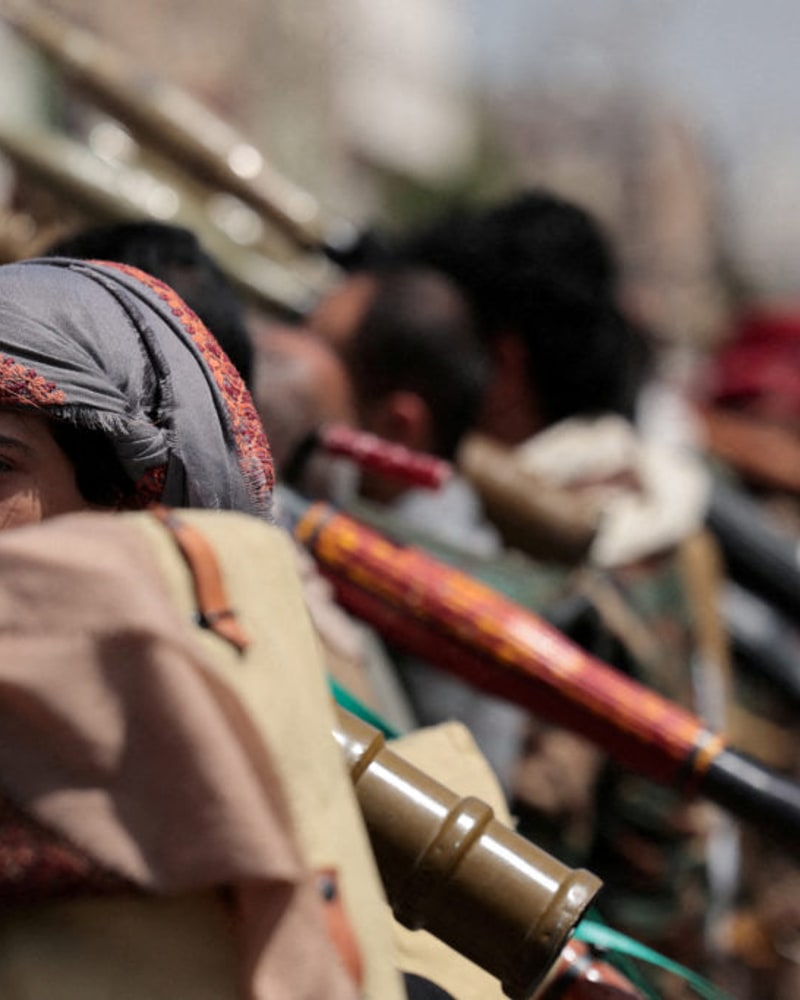
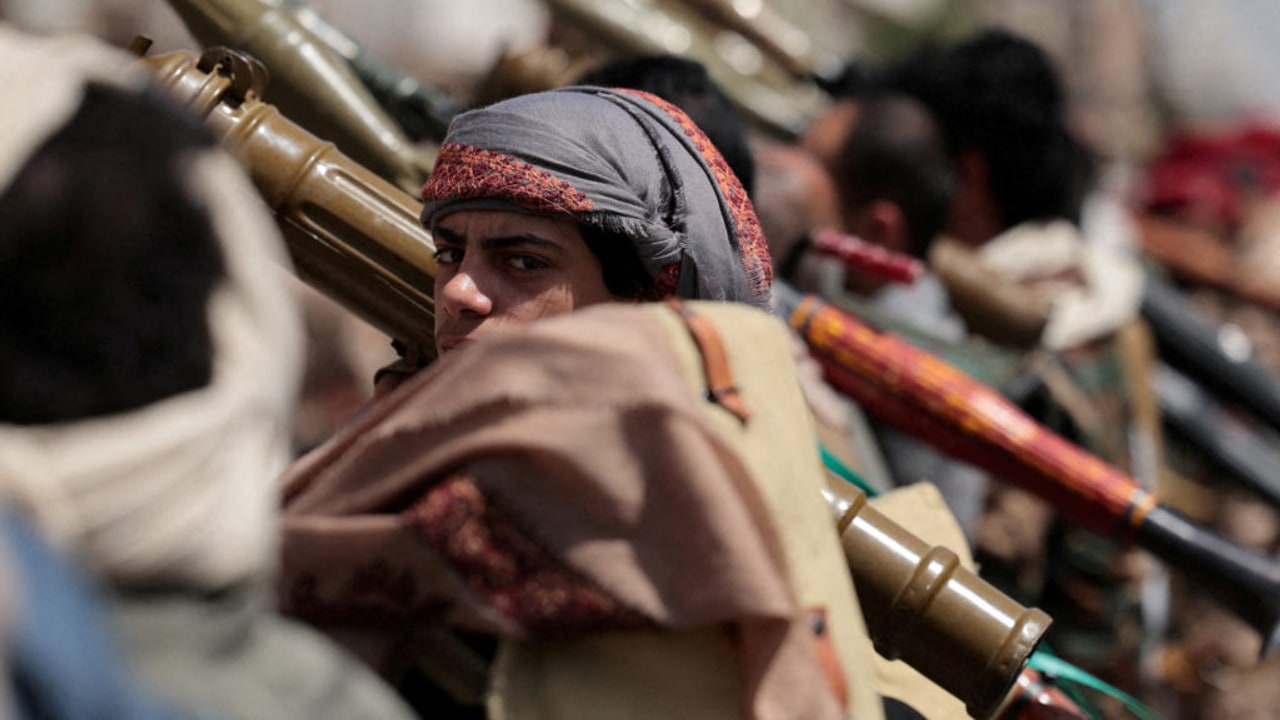
Yemen's Iranian-backed Houthi rebels announced a maritime embargo against Saudi Arabia on Monday, July 20, 2026, effective immediately. Military spokesperson Yahya Saree stated the blockade follows the principle of 'an eye for an eye' in response to Saudi Arabia's air and sea blockade of Yemen lasting nearly 12 years and recent Saudi airstrikes on Sanaa International Airport. The Houthis also fired missiles and drones at Saudi Arabia's Abha International Airport last week, marking the first such attacks since a 2022 truce. The embargo threatens the Bab al-Mandeb Strait, a critical waterway through which approximately 12% of global trade passes. The announcement signals escalating tensions after years of relative calm in the conflict.
✦ AI-generated · How we use AI →
Yemen's Houthis attack Saudi tankers in the Red Sea, threatening to widen Iran war
✦ Summary updated June 25, 2026
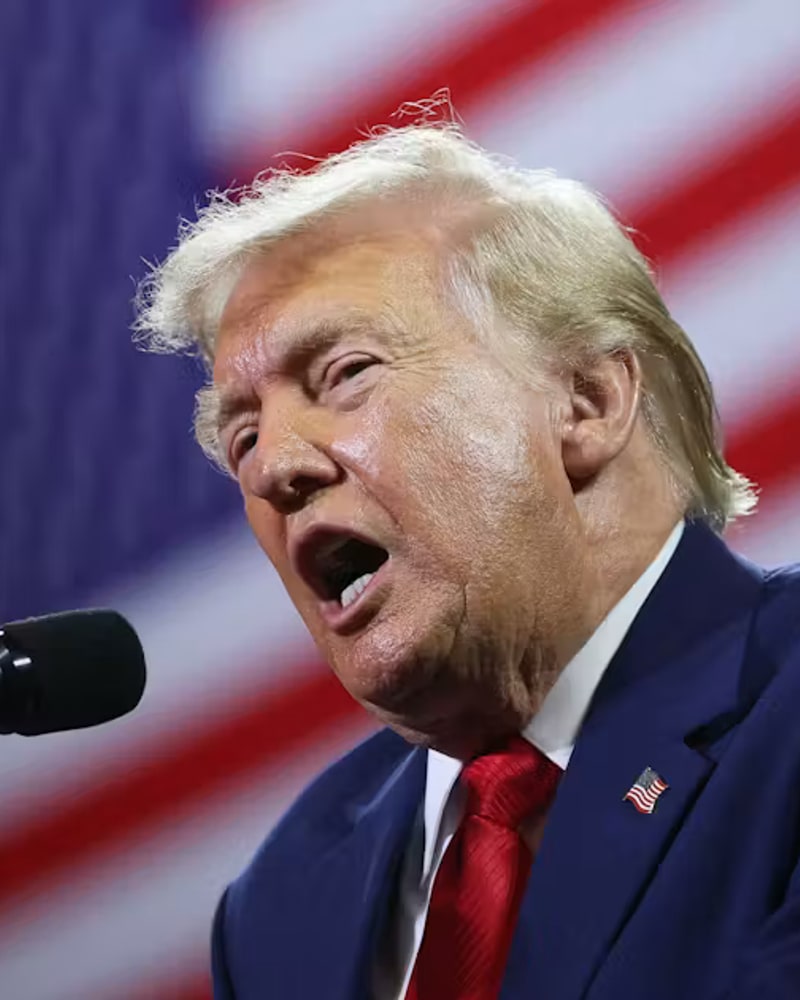
The Trump administration requested $87.6 billion in supplemental funding, with $67 billion designated for Defense Department costs from the Iran war.
✦ AI-generated · How we use AI →
Trump Asks Congress for $88 Billion, Mostly for War With Iran
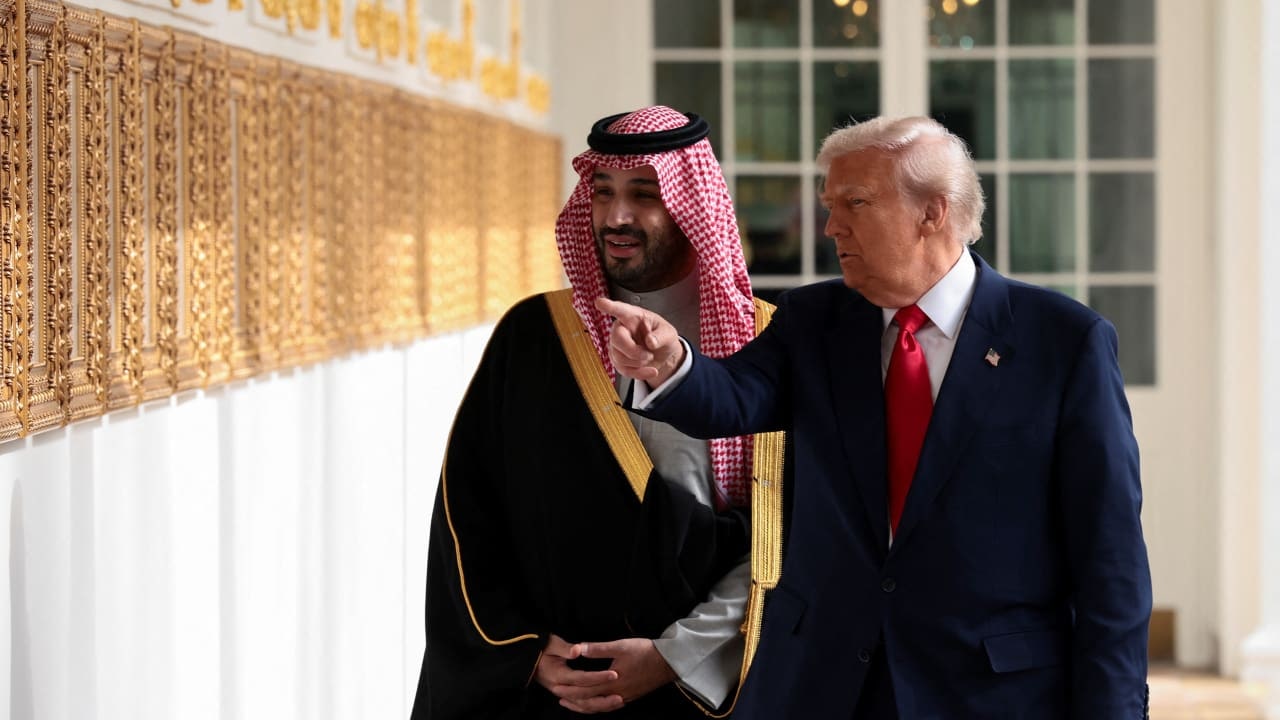 Nuclear cooperation
 ✦ Summary updated 48m ago
The Trump administration signed a nuclear cooperation agreement (123 agreement) with Saudi Arabia on July 22, 2026. Energy Secretary Chris Wright and Saudi Energy Minister Prince Abdulaziz bin Salman formalized the pact, which allows American companies to build nuclear reactors and potentially a uranium enrichment facility in Saudi Arabia following a joint study. The 30-year agreement lacks the International Atomic Energy Agency's Additional Protocol, which would permit enhanced monitoring and inspections. The deal must be submitted to Congress for review within 90 days. Nonproliferation experts warn that uranium enrichment capability could provide a pathway to weapons development, particularly given Saudi Crown Prince Mohammed bin Salman's previous statements about pursuing nuclear weapons if Iran does.
✦ AI-generated · How we use AI →
Trump administration signs commercial nuclear deal with Saudi Arabia
From February through July 2026, U.S. and Israeli strikes on Iran triggered cascading regional conflict as a brief ceasefire collapsed and diplomacy stalled.
495 publishers · 166 stories · Latest Jul 23, 2026
Chapter 05
How we work out what each article is about.
See the labels attached to every article before you read it, the checks a topic has to pass before it is applied, and how the list of topics is kept current.
Read this chapterPinned sections are paused while a mood is on.
Chapter 06
Where a publisher's ratings come from.
See how Media Bias/Fact Check rates an outlet's lean, factual record, and credibility, and how to check any of their work yourself.
Read this chapterEst. 1851 · New York City
Founded in 1851, The New York Times is an American daily newspaper based in New York City and published by The New York Times Company.
Overall, MBFC rates The New York Times Left-Center based on wording and story selection that moderately favors the left, and High for factual reporting due to proper sourcing and a strong correction record.
MBFC describes The New York Times as Left-Center. AllSides rates its news coverage Lean Left, while Ad Fontes places it in the Skews Left category. These independent ratings broadly agree that its news coverage sits left of center, though each uses a different methodology.
MBFC rates The New York Times High for factual reporting. Ad Fontes classifies it as Reliable, Analysis/Fact Reporting. Open either source to review its methodology and underlying record.
The New York Times Company is publicly traded, while the Ochs-Sulzberger family controls the company through its Class B share structure. Its primary revenue comes from subscriptions, advertising, and licensing.
A publicly traded media company controlled through a separate class of family-held voting shares.
The New York Times was founded in New York City in 1851 by Henry Jarvis Raymond and George Jones. Adolph Ochs purchased the newspaper in 1896, beginning the Ochs-Sulzberger family’s long stewardship.
Ratings and assessments are attributed to Media Bias/Fact Check, AllSides, and Ad Fontes Media. Identity facts come from Wikipedia, while ownership and revenue details were normalized from The New York Times Company’s 2025 Form 10-K. These ratings are evidence to inspect, not ground truth.
Chapter 07
Where the news comes from.
See which newsrooms Mosaic reads, the checks every arriving article passes, and why carrying an outlet is not endorsing it.
Read this chapterLeft
Center
Right
Chapter 08
How Moods filter the whole feed.
See the one rule behind each mood in the menu, why a mood narrows the feed without re-ranking it, and how to build your own.
Read this chapter 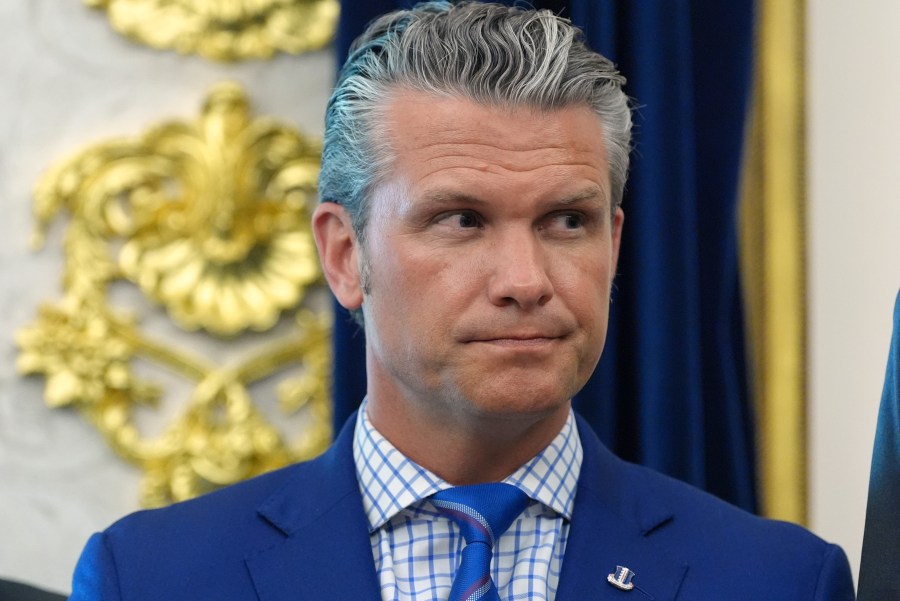
✦ Summary updated July 2, 2026
U.S. envoys traveled to Qatar for indirect negotiations with Iranian officials. Both sides reported positive progress and agreed to continue discussions after July 9.
✦ AI-generated · How we use AI →
Trump Asks Congress for $88 Billion, Mostly for War With Iran
✦ Summary updated June 29, 2026
Four months into the conflict, tensions grew between President Trump and Republican senators over war-powers authority as nuclear negotiations continued under a preliminary ceasefire.
✦ AI-generated · How we use AI →
GOP fiscal hawks largely unmoved by Hegseth’s defense dollars pitch
 Story
Story ✦ Summary updated Jul 10, 2026
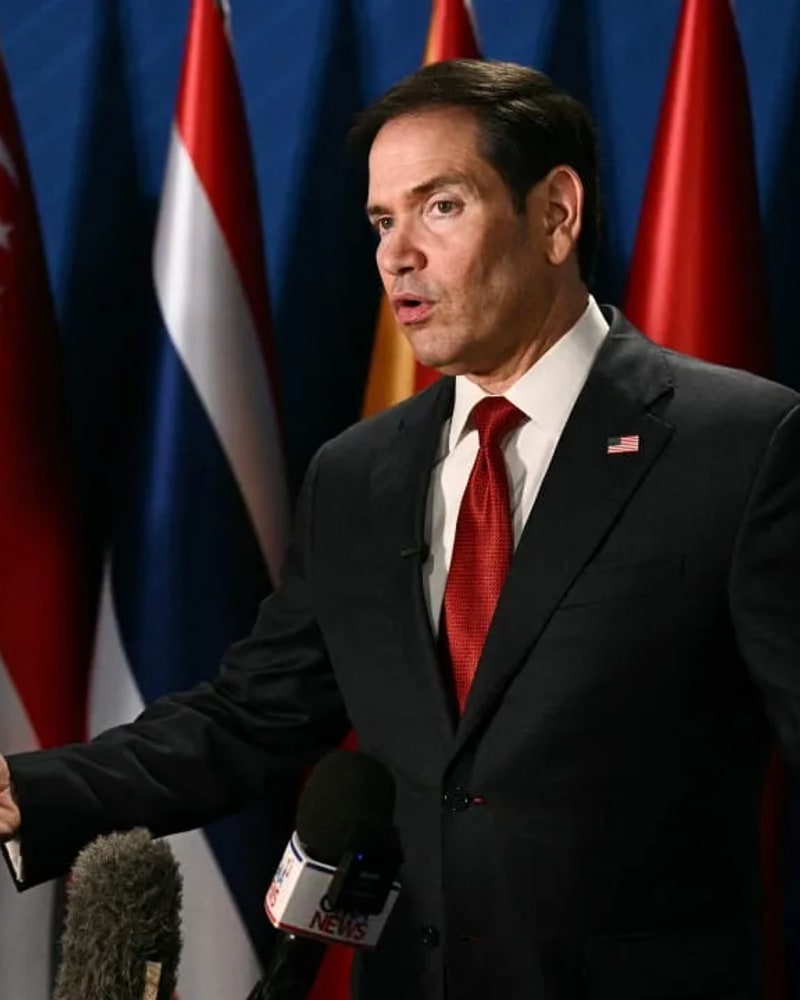
Secretary of State Marco Rubio announced Friday that Tou Lue Vang, a Laotian national convicted in 2006 of repeatedly sexually assaulting a 10-year-old girl, has been deported from the United States. Vang was set for deportation when Minnesota Gov. Tim Walz and the State Board of Pardons granted him clemency on June 10, 2026. Rubio intervened by revoking Vang's legal status, enabling ICE to arrest and remove him. Vang had admitted to the crimes and offered cultural justifications to police. The pardon had been based partly on a letter from the victim stating she had forgiven him.
✦ AI-generated · How we use AI →
Marco Rubio announces deportation of Minnesota man pardoned last month
 Story
Story ✦ Summary updated Jul 6, 2026
President Trump posted a video on Truth Social on Monday, July 6th, 2026, showing kindergarten graduates from Gateway STEM Academy in St. Paul, Minnesota. The video, originally from a right-wing account called @EndWokeness, featured approximately 21 children in graduation caps and gowns, with most girls wearing hijabs. Trump reposted the video alongside the caption: "Public school in St. Paul, Minnesota. Every girl is in a hijab... in kindergarten." The post prompted criticism from social media users and prompted discussions about anti-Muslim sentiment and religious freedom.
✦ AI-generated · How we use AI →
Trump's Posts on Singing Somali Schoolchildren Stir Anger in Minnesota